What Gets Overlooked in Decision Fatigue Management on Busy Days?
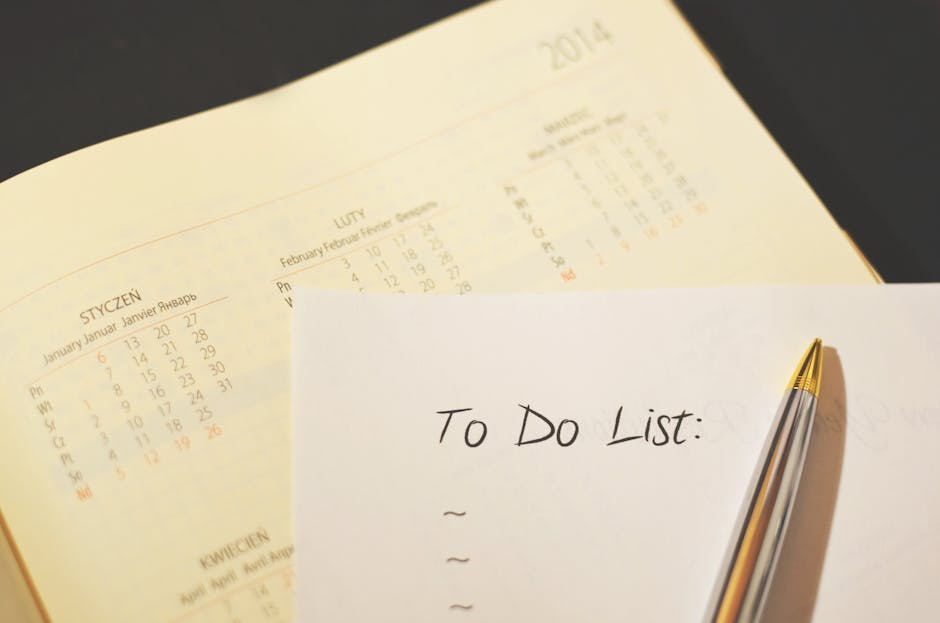
It's a Tuesday morning, and the kitchen table is strewn with a task notebook, a laptop, and a half-empty coffee mug. Notifications from various apps buzz relentlessly, each one vying for attention. You glance at the calendar, packed with back-to-back meetings, and feel a familiar tension creeping in. The task list, which seemed manageable the night before, now feels overwhelming, with simple tasks turning complex as soon as you consider the time needed for switching between them. Just as you prepare to open your working document, a reminder popup steals the next ten minutes, pulling you away from the actual work.
This is where decision fatigue begins to take hold. Each time you check the calendar before diving into a task, you’re faced with a barrage of choices—what to prioritize, which meeting to prep for, and how to allocate your limited focus. The act of switching gears not only consumes precious minutes but also drains your mental energy, making it harder to zero in on what truly matters. As the day progresses, these small friction points accumulate, causing you to overlook crucial steps in your workflow habits, like muting notifications or setting a focus block. Without these checks in place, productivity can slip away unnoticed, leaving you scrambling to catch up.

The First Step That Gets Skipped
The kitchen table is strewn with papers, a cluttered task notebook open beside a laptop that’s already buzzing with notifications. It’s an ordinary weekday moment, and while the intention is to follow a structured task list, interruptions keep creeping in. You glance at the calendar on the screen, which is packed with meetings, each demanding attention. The task list looks simple, but the moment you consider the time needed for switching between them, it feels overwhelming.
As you prepare to dive into your first task, a reminder popup steals the next ten minutes, pulling you away from the work you intended to focus on. Each time you check the calendar, the choices multiply—what to prioritize, which meeting to prep for, and how to allocate your limited focus. This is where decision fatigue begins to take hold, making it easy to skip crucial steps like muting notifications. Without that small action, you risk losing focus before you've even started, leaving you scrambling to catch up as the day progresses.
Hidden Steps in Daily Planning
As you sit at your kitchen table, the clutter of papers and your task notebook surround you, signaling the busy day ahead. You instinctively check your email before diving into your task list, but this simple action often leads to a cascade of distractions. Each email demands a response, and your calendar is filled with back-to-back meetings. The time slips away, and suddenly, you realize you've spent precious minutes preparing mentally for tasks instead of executing them.
- Checking emails before starting work can lead to decision fatigue.
- Reviewing the calendar without a clear focus block dilutes your attention.
- Skipping mental preparation can cause you to overlook vital tasks.
During this ordinary weekday moment, the overlooked step of muting notifications becomes crucial. When you skip this, a reminder popup can steal the next ten minutes, pulling you away from your intended focus. This small action, often dismissed, can make all the difference in maintaining your attention and managing decision fatigue effectively.
A slightly different version of this problem appears in Focus Without Burnout, where the sequence changes but the hidden drag feels familiar.
Identifying the Main Bottleneck
When seated at the kitchen table, surrounded by a stack of papers and a buzzing phone, the tendency to check the calendar before opening the working document can create significant friction. The calendar, filled with back-to-back meetings, often tempts you to glance at it first. This seemingly harmless action can lead to distractions that disrupt your workflow. Instead of diving into the task at hand, you find yourself mentally preparing for the next meeting, which only adds to the decision fatigue.
A reminder popup can be particularly disruptive. As you finally settle in to tackle that task, the notification interrupts your focus, stealing the next ten minutes. You might think it’s just a quick check, but that brief distraction can lead to a cascade of inefficiencies. The calendar block that should help you manage your time instead clogs up your process. Each time you switch gears, you lose precious momentum, delaying the completion of your current task.
To mitigate this, consider muting notifications before you check your calendar. By doing so, you can prevent those reminder popups from hijacking your attention. This small adjustment allows you to maintain focus on the work in front of you, ensuring that the next task doesn’t get delayed by unnecessary interruptions. The friction point lies not just in the calendar but in how you engage with it; a simple change in your approach can streamline your decision-making process.
A Better Order for the Same Five Minutes
When you sit down at your kitchen table, surrounded by the day’s clutter, the first thing you might do is check your calendar. However, before diving into that, consider muting your notifications. This simple action creates a buffer against distractions, allowing you to focus on the tasks at hand without the constant ping of reminders pulling your attention away.
Next, allocate specific time blocks for checking your calendar and emails. Instead of letting these tasks bleed into your work sessions, designate a clear five-minute window at the top of each hour. This way, you can review your schedule and messages without derailing your workflow. When you do check your calendar, open it after you've already noted your immediate tasks in your task notebook. This revised order helps you prioritize your work over the interruptions that often come from email and calendar popups.
As you settle into your focus block, remember that task switching costs time and energy. If you check your calendar before your working document, you might find that a reminder popup steals the next ten minutes, disrupting your flow. By muting notifications first and structuring your check-ins, you create a smoother transition between tasks, reducing the cognitive load that leads to decision fatigue.
What Changes When the Sequence Is Cleaner?
This same friction shows up again in Managing Energy Not Time, especially when the day tightens unexpectedly.
When the calendar is cluttered with back-to-back meetings, the temptation to check it before diving into a task can be overwhelming. However, shifting the sequence can lead to noticeable improvements in focus and productivity. For instance, if you start by jotting down your immediate tasks in your task notebook, you create a clear mental map of what needs to be accomplished. This simple adjustment helps you resist the urge to check your calendar first, which often leads to distractions.
Once you’ve outlined your priorities, muting notifications becomes crucial. By doing this, you eliminate the risk of a reminder popup stealing your attention and time. Without those interruptions, the transition between tasks feels smoother. You can move from one focus block to the next without the cognitive load of deciding whether to respond to an email or a calendar alert. Instead of feeling fragmented, your workflow becomes more cohesive.
On days when your task list exceeds your available time, the clarity gained from this structured approach can significantly reduce decision fatigue. Each task appears less daunting when you know exactly what you’re focusing on and when. As a result, you not only complete tasks more efficiently but also find that the quality of your work improves. The tradeoff is clear: by prioritizing your immediate tasks and minimizing distractions, you create a more effective work environment, even amid the chaos of a busy day.
When the calendar is packed with back-to-back meetings, it’s easy to overlook the small checks that can help manage decision fatigue. For instance, if you don’t mute notifications before diving into your next task, a reminder popup can steal the next ten minutes, disrupting your focus and increasing the cognitive load. This interruption not only breaks your concentration but also adds to the mental strain of deciding whether to respond immediately or stay on task.
In the chaos of a busy workday at your kitchen table, consider making it a habit to check your calendar and mute notifications before opening your task list. This simple adjustment ensures that you start each focus block with a clear mind and fewer distractions. By prioritizing this small action, you can maintain a more effective workflow, even when the task list feels overwhelming.