Navigating Decision Fatigue: When Task Switching Derails Productivity
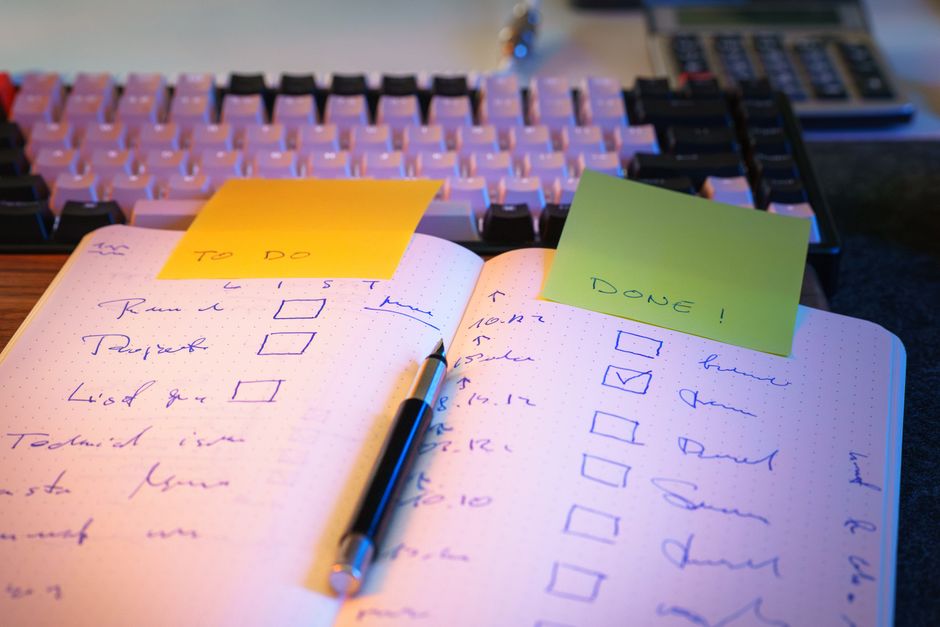
As the clock ticks toward noon on a typical weekday, the desk is cluttered with sticky notes, a half-finished coffee cup, and a glowing monitor displaying a lengthy to-do list. The office worker sits poised, fingers hovering over the keyboard, ready to dive into the next task. Yet, just as focus begins to settle in, an email notification pings, pulling attention away from the planned deep work. This moment captures the essence of decision fatigue management, where the simple act of task switching disrupts the flow of productivity, leaving the worker feeling scattered and overwhelmed.
In this chaotic setup, the desk surface does not match the task sequence; critical tasks remain unaddressed while minor admin duties vie for attention. The calendar block meant for focused work is often compromised by these distractions, leading to a cycle where the top three tasks never get rewritten, and the initial intent of the day is lost. Recognizing this friction is essential, as it highlights a missed step in the workflow: the need to prioritize and protect that focus block, ensuring that the right tasks are placed front and center on the screen before distractions can take hold.
The Expected Routine Before Task Switching
At the edge of the desktop monitor, a sticky note displays the top three tasks for the day, each neatly written in black ink. This simple visual cue is meant to guide the office worker through their focused work session, which has been carefully blocked on the calendar from 9 AM to 11 AM. However, as the clock ticks closer to the start time, the anticipation of distractions begins to creep in, creating a tension that threatens to unravel their intentions.
During this ordinary weekday moment, the worker sits down, ready to dive into the first task. Yet, the desk surface is cluttered with reminders, documents, and open tabs that all vie for attention. The ideal sequence of actions—opening the project file, silencing notifications, and prioritizing the tasks on the sticky note—gets interrupted by the urge to check emails or respond to a quick message. This is where task switching becomes a friction point; instead of diving into the focused work, attention is split between multiple screens and notifications.
To mitigate this, the worker can implement a small but effective adjustment: before the focus block begins, they should move any minor admin tasks to later in the day. This way, the top three tasks remain the priority, clearly visible on the sticky note, and the calendar block is protected from unnecessary interruptions. By ensuring that the workspace is aligned with the intended workflow, the worker can better maintain focus and reduce the risk of decision fatigue that stems from constant task switching.
Where the Process Breaks Down First
A slightly different version of this problem appears in Managing Energy Not Time, where the sequence changes but the hidden drag feels familiar.
During a typical weekday, the office worker sits at their desk, fingers poised over the keyboard, ready to dive into a deep work session. The calendar block for focused work is clearly marked, yet a notification pops up on the desktop monitor edge—an urgent email that demands immediate attention. This is the first crack in the process. Instead of maintaining focus on the top three tasks noted on the sticky note, the worker instinctively shifts gears, drawn into the email's contents.
This quick switch not only disrupts their concentration but also scatters their attention across multiple tabs and tools. The desk, once organized for a productive session, now reflects the chaos of task switching: a cluttered surface filled with sticky notes, loose papers, and an open browser with too many tabs. The initial intention to tackle the most important tasks fades as the worker becomes entangled in the details of the email, losing sight of the priorities that were meant to guide their focus.
As the urgency of the email takes precedence, the worker forgets to check off the minor admin tasks that were supposed to be moved to later in the day. This oversight becomes the first visible sign of drift, a snag that leads to delays in completing the core tasks. To counteract this, a simple utility move can be implemented: before starting the next focus block, the worker should take a moment to close unnecessary tabs and silence notifications. By doing this, they can reclaim their attention and better align their workspace with their intended workflow, minimizing the risk of decision fatigue that arises from constant task switching.
Why Task Switching Becomes a Habit
If this pattern keeps repeating, Focus Without Burnout extends the idea without leaving the niche.
With a desktop monitor edge cluttered with open emails, the office worker feels a familiar pull to respond immediately. This impulse, often mistaken for responsibility, leads to a cycle where urgent matters overshadow the core tasks that were prioritized for the day. As the worker dives into the details of one email, they lose sight of the top three tasks on their list, which remain untouched at the bottom of the screen. This moment of distraction is not just a slip; it’s a recurring pattern that disrupts the entire workflow.
- Emails become the default focus, pushing aside planned work sessions.
- Minor admin tasks are left unchecked, creating a backlog that complicates later work.
- The desk surface, cluttered with reminders and tabs, no longer reflects the intended task sequence.
To break this cycle, a practical checkpoint is essential: before starting the next focus block, the worker should consciously close unnecessary tabs and silence notifications. This small adjustment allows for a clearer workspace, aligning the environment with the intended workflow. However, the tradeoff is that the worker must resist the urge to react immediately to every email, which can feel counterintuitive in a fast-paced office setting. Recognizing that some tasks can wait is a key step in managing decision fatigue effectively.
A Simple Correction to Break the Cycle
During a typical weekday, the clutter on the desk can become overwhelming, especially when the task list exceeds the available time. The desktop monitor edge is lined with sticky notes and reminders, while multiple tabs are open, each vying for attention. This chaotic setup often leads to a split focus, where the worker finds themselves toggling between urgent emails and planned tasks, disrupting the flow of deep work.
To counteract this, a straightforward adjustment can be made: schedule admin tasks, like checking emails, for later in the day. By moving these to a time slot after the designated focus block, the worker can protect their peak productivity hours. This means setting a clear calendar block for uninterrupted work, during which only the top three tasks should be visible on the screen. The tradeoff here is resisting the impulse to react immediately to incoming messages, which can feel challenging in a fast-paced environment. However, this small correction allows for a more streamlined workflow, reducing decision fatigue and enhancing overall focus.
Implementing a Checkpoint to Maintain Focus
During a typical weekday, the clutter on your desk can be a major distraction. Papers stacked on the left, a phone buzzing on the right, and multiple tabs open on your monitor create an environment ripe for task switching. To combat this, setting a timer for a dedicated focus block can serve as a crucial checkpoint. By allocating, say, 90 minutes on your calendar for concentrated work, you establish a clear boundary that signals your brain to switch into deep work mode.
Once the timer is set, take a moment to prepare your workspace. Move your phone out of reach—perhaps into a drawer or on the far side of the desk—and close any unnecessary browser tabs. This action alone can significantly reduce the temptation to check notifications or jump between tasks. Before diving into your focus block, conduct a quick check: ensure that only the top three tasks from your to-do list are visible on your screen. If they’re not, rewrite them on a sticky note and place it right next to your monitor. This small adjustment keeps your attention anchored to what truly matters during your work session.
What Changes Once That Fix Repeats
After implementing a focused calendar block, the workspace begins to transform. The desk, once cluttered with reminders and tools, now has a clear path to productivity. When the top three tasks are visible on a sticky note next to the monitor, there's a noticeable shift in attention. Instead of glancing at scattered papers or tabs, focus narrows to the immediate priorities, reducing the urge to switch tasks.
During the next work session, the difference becomes even more pronounced. With the phone tucked away and only essential tabs open, distractions fade. This setup allows for deeper engagement with the tasks at hand. If an admin task looms, it’s now consciously moved to a later time block, freeing up mental space for critical work. The act of moving that task isn’t just organizational; it’s a commitment to maintaining focus during the dedicated block.
As the timer ticks down, the brain settles into a rhythm, and the once daunting task list feels manageable. Each completed task builds momentum, reinforcing the habit of staying on track. This sequence repair not only enhances the current session but sets a precedent for future blocks, making it easier to replicate the focused environment. The desk, once a source of friction, now supports a workflow that prioritizes deep work over task switching.
As the day winds down, the clutter on the desk can often reflect a chaotic workflow. When the task list extends beyond the available time, it’s easy to fall into the trap of task switching, which fragments focus and drains energy. By ensuring that the top three tasks are clearly defined and prioritized, and by consciously moving admin tasks to a later block, the worker can create a more conducive environment for deep work. This simple act of rearranging not only clears the desk but also mentally prepares for the upcoming focus block.
Next time you sit down for a work session, take a moment to check your calendar. Is there a dedicated focus block marked? If not, add one. This small adjustment can serve as a powerful reminder to protect your time from distractions. By treating that block as sacred, you reinforce a habit that combats decision fatigue and enhances productivity, allowing for a more streamlined workflow that respects your attention and energy.