Managing Decision Fatigue: A Practical Comparison of Work Session Strategies

It's a typical Tuesday afternoon, and your desk is cluttered with open tabs, reminders, and a calendar sidebar filled with overlapping tasks. You sit down for a short planning reset, ready to tackle the day’s priorities. Each time you switch from one task to another, it feels like you're losing precious focus, and the real work gets pushed aside.
The struggle to prioritize becomes evident as you realize that these minor tasks are crowding out your main objectives. You check your task list again, but instead of narrowing down to your top three tasks, you find yourself adding more items, creating a cycle of decision fatigue. This moment of indecision not only disrupts your workflow but also leads to a growing sense of overwhelm. As you sit there, toggling between tools and reminders, it’s clear that a more effective approach to managing these decisions is necessary to regain control over your focus and productivity.
The Default Method: Juggling Tabs and Tasks
The screen is cluttered with a dozen open tabs, each one a reminder of unfinished tasks. As you sit down for a quick planning reset, you notice your calendar sidebar is filled with overlapping deadlines and minor admin tasks. You think it’s reasonable to tackle these small items first, believing they’ll clear your mind for the bigger projects.
This juggling act leads to a frustrating realization: the small tasks, while seemingly manageable, are crowding out significant work. Each time you switch from one tab to another, you lose precious focus, and the decision-making process becomes increasingly taxing. Instead of narrowing down to your top three tasks, you find yourself adding yet another item to your already lengthy to-do list. It’s a cycle of decision fatigue, where every new task feels urgent, but nothing truly important gets accomplished. To regain control, consider placing your task list in a more prominent position on your screen, making it the first thing you check before diving into any other distractions.
Where the Default Method Fails: Overwhelm and Distraction
During a typical weekday, you sit down at your desk, ready to tackle your focus block. As you glance at the calendar, the small admin tasks seem to demand your immediate attention. You think, "If I just clear these out, I’ll have the mental space for the bigger projects." This decision to prioritize minor tasks leads to a frustrating spiral.
You find yourself caught in a cycle where the urgent feels more pressing than the important. This frequent task-switching not only depletes your focus but also contributes to a sense of overwhelm.
To regain some control, consider placing your visible task list in a prominent spot on your screen, ideally right next to your calendar. This way, it becomes the first thing you check before diving into distractions. By doing this, you can remind yourself of your top three tasks and resist the urge to get sidetracked by less significant items. The challenge lies in resisting the default method of letting small tasks take precedence, which ultimately weakens your productivity under pressure.
A Better Approach: Structured Focus Blocks
If this pattern keeps repeating, Managing Energy Not Time extends the idea without leaving the niche.
During a typical weekday work session, the clutter of your calendar sidebar can be overwhelming. You glance at the screen and see a mix of small admin tasks and larger projects. This environment often leads to a default decision-making routine where minor tasks take precedence over significant work. The result? A fragmented focus that drains your energy and time.
Implementing structured focus blocks can shift this dynamic. Before opening any additional tabs, take a moment to prioritize your top three tasks and write them down in a visible task list. Place this list right next to your calendar on the screen. This simple adjustment creates a visual anchor to remind you of what truly matters. By dedicating a specific block of time to these tasks, you can minimize distractions and resist the urge to dive into less important items. The difference in setup—prioritizing your main tasks before engaging with new distractions—can significantly enhance your workflow and decision management.
The Tradeoff: Structure vs. Flexibility
This same friction shows up again in Focus Without Burnout, especially when the day tightens unexpectedly.
During a typical weekday work session, you might find yourself toggling between a cluttered calendar sidebar and an overflowing task list. This environment often nudges you toward a default routine where you react to smaller, urgent tasks instead of focusing on significant projects. The tradeoff here is clear: while a structured approach demands commitment to planning and prioritization, it can also limit spontaneous engagement with tasks that seem pressing in the moment.
- Establish a visible task list that highlights your top three priorities for the day.
- Dedicate specific time blocks for these tasks, minimizing the temptation to switch to smaller admin duties.
- Accept that some flexibility will be sacrificed, but recognize that this can lead to improved overall productivity.
By placing your prioritized task list directly next to your calendar, you create a visual reminder that helps resist the pull of less important items. The structure you implement now may feel restrictive, but it ultimately fosters a more focused workflow.
A Quick Checkpoint: What’s on Your Task List?
Before diving into your work session, take a moment to glance at your visible task list. This should be a simple, clear outline of your top three priorities for the day. If your calendar sidebar is cluttered with reminders and small admin tasks, it’s easy to get pulled away from more significant projects. This common friction occurs when urgent tasks overshadow essential work.
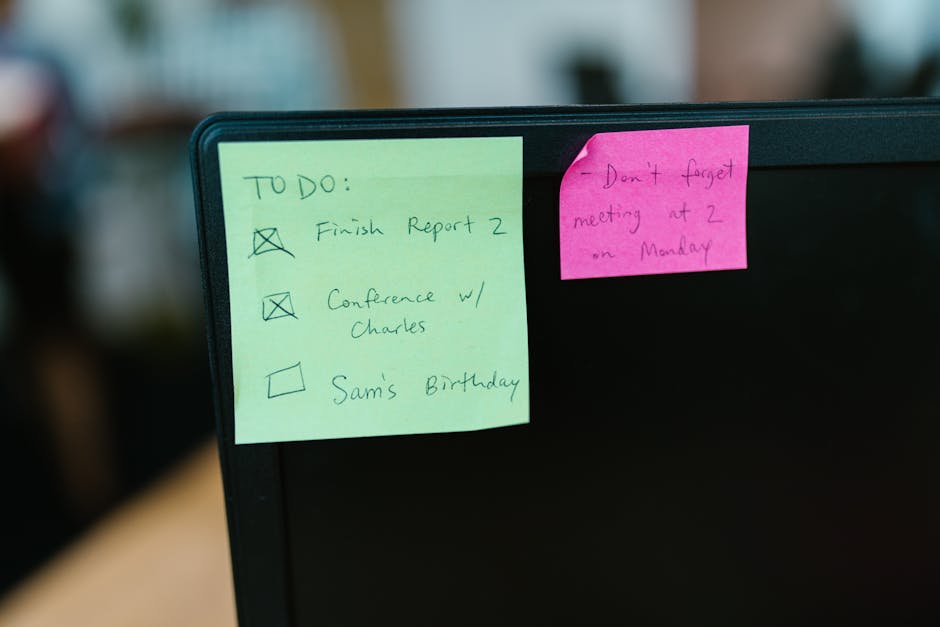
To counteract this, establish a quick routine: first, rewrite your top three tasks on a sticky note and place it next to your calendar. This visual cue serves as a constant reminder of what truly matters. As you prepare to start your focus block, actively check off any unnecessary admin tasks that threaten to clutter your attention. By doing this, you create a clear boundary around your work session, allowing for deeper focus on the tasks that drive your productivity forward. The tradeoff here is that while you may miss out on immediate responses, your overall workflow will benefit from a more structured approach.
When That Alternative Fits Better
During a typical weekday afternoon, the clutter of open tabs and notifications can easily lead to chaotic task-switching. This scenario often leads to default decision-making routines where small, administrative tasks take precedence over more significant projects, creating a cycle of decision fatigue.
Instead of succumbing to this friction, consider a quick adjustment: before diving into your focus block, take a moment to rewrite your top three tasks on a sticky note. Place this note directly next to your calendar sidebar, ensuring it’s visible as you work. This simple act not only clarifies your priorities but also acts as a barrier against those distracting admin tasks that tend to crowd your attention.
As you prepare for your session, actively check off any small tasks that can wait, such as replying to non-urgent emails or updating minor project notes. The tradeoff here is significant: while you may miss out on immediate responses, you gain a more structured workflow that enhances your overall productivity. This method proves especially effective when the pressure of multiple tasks threatens to overwhelm your focus.
During a busy work session, the temptation to switch between tasks can lead to a cascade of decisions that drain your focus. By taking a moment to pause and reassess your priorities, you can regain control over your workflow.
Before diving back into your focus block, try jotting down your top three tasks on a sticky note and placing it next to your calendar sidebar. This visual cue not only reminds you of your main objectives but also helps you resist the urge to tackle less important tasks. As you work, actively check off any minor tasks that can wait, ensuring that your attention remains anchored to your primary goals. This small adjustment can significantly enhance your ability to manage decision fatigue and maintain focus throughout your workday.