Navigating Decision Fatigue: Managing Task Switching in Remote Work
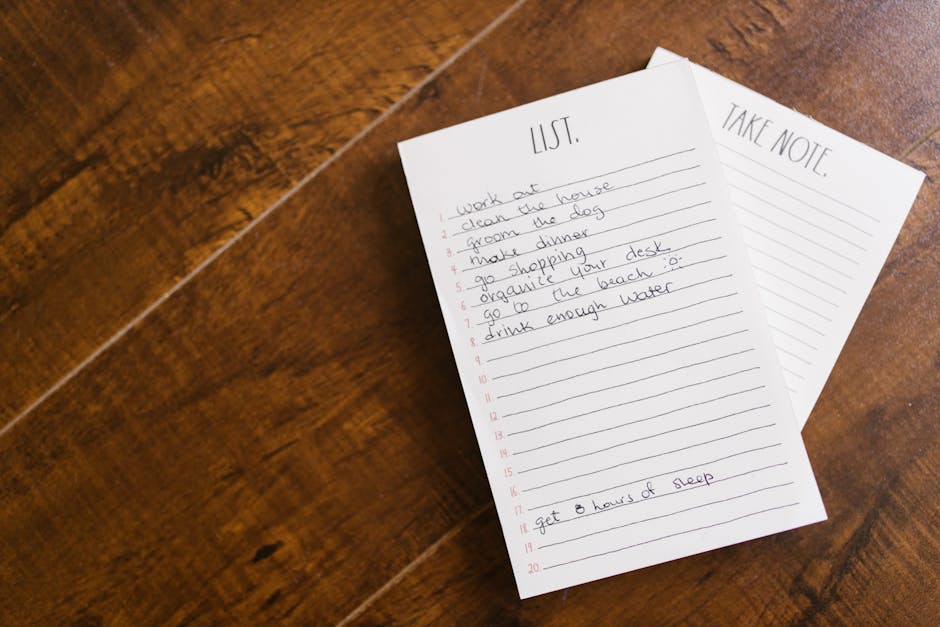
It's a Wednesday morning, and your desk is cluttered with open tabs, each vying for your attention. The calendar sidebar on your screen flashes reminders for meetings, while Slack notifications ping incessantly. You sit down for a focused work session, determined to tackle your to-do list, but the moment you start, a reminder popup steals the next ten minutes. The friction of task switching is palpable; every notification pulls you away from your primary focus, leaving you with fragmented thoughts and a growing sense of decision fatigue.
As you glance at your visible task list, you realize that the constant interruptions are not just annoying—they disrupt your workflow habits and derail your time management. Each time you switch from one task to another, the mental load increases, leading to a cycle of indecision. The intention to manage your decisions effectively gets lost in the chaos of notifications and reminders, making it difficult to maintain a clear focus. This ordinary weekday moment highlights a common pitfall: without a strategy to minimize distractions, even the best-laid plans can crumble under the weight of competing demands.
Caught in the Tab Trap
As you sit at your desk, the glow of your laptop screen reflects off the clutter of open tabs, each one a potential distraction. You’re gearing up for a focused work session, but the calendar sidebar is flashing with notifications from Slack and email, demanding your attention. Every ping pulls you back into a decision-making loop, forcing you to choose between replying to a message or diving into the task at hand. The chaos is palpable, and you can feel your focus slipping away.
With a visible task list pinned to your screen, you try to prioritize your workload, but the constant interruptions make it nearly impossible. You mute notifications, hoping to create a bubble of concentration, yet the reminders still seep through, stealing your attention. Each time you switch from one task to another, the mental effort compounds, leaving you feeling drained. A simple reminder about a meeting can derail your focus for ten minutes, as you wrestle with the decision of whether to address it immediately or stick to your plan. This friction in your decision-making routine reveals how easily good intentions can falter when faced with a barrage of distractions. Without a clear strategy to manage these interruptions, your best efforts at decision fatigue management can quickly dissolve into chaos. The First Distraction: Notifications A Slack notification pops up, momentarily stealing attention from the task you intended to focus on. The bright alert on your screen, nestled among the clutter of open tabs, demands immediate attention. With a quick glance, you check the message, thinking it will only take a moment. However, that moment stretches into ten minutes as you engage in a back-and-forth conversation, losing sight of your original goal.
During this diversion, your visible task list, pinned beside your calendar sidebar, sits untouched. You had planned to tackle an important project during this focus block, but now, with your attention split between the chat and your workload, the mental fatigue begins to mount. Each time you switch tasks, whether to respond to a colleague or to glance at another notification, it becomes harder to regain your focus. The interruption creates a ripple effect; what was once a clear, actionable plan now feels muddled and overwhelming.
To counteract this, consider muting notifications before entering a focus block. This small adjustment can help create a more conducive environment for deep work. Additionally, take a moment to close unnecessary tabs and minimize distractions on your screen. By doing so, you set a clearer boundary for your attention, allowing you to stay on task without the constant pull of incoming messages. The next time you sit down to work, check that your notifications are silenced, ensuring that your focus remains intact and your decision-making process stays streamlined.
Why Task Switching Fails: The Mechanics of Friction
During a typical weekday, you might find yourself staring at your calendar sidebar, planning your next focus block. As you mentally prepare to dive into a project, the familiar ping of a Slack notification interrupts your thoughts. Each time you switch from your task to check that message, your brain faces a mini-overload. The intention to stay productive is there, but the reality is that switching tasks disrupts your cognitive flow, making it harder to regain focus on the original task.
This friction doesn't just stem from the immediate distraction; it compounds over time. After responding to the Slack message, you glance back at your screen only to realize that you've lost the thread of your work. The reminder popup for an upcoming meeting steals the next ten minutes, further complicating your workflow. Each interruption adds layers of fatigue, making the decision to refocus feel like climbing a steep hill. The hidden step here is acknowledging that every switch requires a reset, which is often underestimated in your planning.
To combat this, consider a small adjustment: before you start your focus block, take a moment to mute notifications and close unnecessary tabs. This simple action creates a more controlled environment, reducing the likelihood of distractions. However, even with good intentions, without this step, you risk falling back into a cycle of constant task switching. The tradeoff is clear: while you may feel the urge to stay connected, the cost is a fragmented attention span that ultimately hinders your decision-making process. The next time you sit down to work, check that your notifications are silenced and unnecessary distractions are minimized, allowing you to reclaim your focus and streamline your tasks. A Simple Adjustment: Muting Notifications During a typical weekday, a remote worker sits at their cluttered desk, surrounded by open tabs and a calendar sidebar filled with reminders. As they prepare to dive into a focus block, the familiar ping of Slack notifications starts to disrupt their train of thought. Each notification pulls their attention away, making it difficult to concentrate on the task at hand. This constant task switching not only fragments their attention but also prolongs the time it takes to make decisions.
To counter this, the worker decides to mute notifications before starting their focused work session. This small adjustment, while seemingly minor, leads to a significant improvement in their workflow. By silencing distractions, they create a more streamlined environment that allows for deeper focus. As they close unnecessary tabs and silence their phone, they notice a marked reduction in interruptions. A quick glance at their visible task list confirms that they can tackle one item at a time without the constant pull of alerts.
Implementing this decision rule—muting notifications before each focus block—becomes a crucial part of their desk planning routine. The tradeoff is evident: while it may feel tempting to remain connected, the cost of fragmented attention is far too high. As they settle into their work, the absence of distraction allows for quicker decision-making and a more productive session overall. The next time they sit down, they’re reminded that this simple action can profoundly affect their ability to manage decision fatigue effectively.
A Quick Check That Prevents More Drift
A slightly different version of this problem appears in Managing Energy Not Time, where the sequence changes but the hidden drag feels familiar.
Before diving into a focused work session, take a moment to assess your digital workspace. Open your calendar sidebar and confirm that your visible task list is prioritized for the next hour. This small action can significantly reduce the likelihood of drifting into unrelated tasks when a Slack notification or email alert pops up.
As you prepare, ensure that you mute all notifications from your messaging apps. This should be the first step in your desk planning routine, ideally done just before you start your focus block. By doing this, you create a clear boundary against distractions that might otherwise steal your attention. For instance, if a reminder popup interrupts you, it can easily consume the next ten minutes as you respond or check the new message.
After muting notifications, glance at your task list again. This visible cue serves as a mental anchor, reminding you of your priorities. If you see a single task highlighted, it becomes easier to resist the urge to switch tabs or respond to notifications. The tradeoff here is simple: while staying connected might feel necessary, the cost of fragmented attention is too high. A quick check of your task list, combined with silencing distractions, sets the stage for a more productive work session, allowing you to manage decision fatigue effectively.
What Gets Easier in the Next Time Block
If this pattern keeps repeating, Focus Without Burnout extends the idea without leaving the niche.
As you sit down at your desk, the calendar sidebar shows a looming focus block marked for the next hour. Before diving in, take a moment to mute all notifications on your devices. This small action creates a barrier against the usual distractions, especially those pesky Slack messages that can disrupt your train of thought. By silencing alerts, you set a clearer intention for your work session.
With the notifications muted, shift your gaze to your visible task list pinned on your screen. Highlight just one task to tackle during this block. This single focus reduces the temptation to switch tabs or check emails. The benefit here is straightforward: when your attention is anchored to one task, the mental load lightens. You can move through your work with greater ease, minimizing the friction that often arises from decision fatigue.
As you begin your session, notice how the absence of interruptions allows you to dive deeper into your work. The initial setup—muting notifications and selecting a single task—transforms the next hour into a more productive experience. You’ll find that each minute spent focused is less likely to be chipped away by distractions, leading to a smoother workflow. This simple adjustment not only clears your mind but also makes the next task feel more attainable, reducing the chances of feeling overwhelmed.
During a typical weekday, the split attention between Slack notifications and email alerts can derail even the most focused work session. Each time a reminder popup appears, it steals precious minutes, drawing you away from the task at hand. Instead of allowing these interruptions to dictate your workflow, consider anchoring your focus by selecting one specific task from your pinned task list. This small act of prioritization can create a noticeable shift in your ability to concentrate.
As you prepare for your next focus block, take a moment to mute all notifications. This simple adjustment not only clears distractions but also sets the stage for a more productive environment. By committing to this single task and eliminating interruptions, you can navigate through your work with greater clarity and efficiency, ultimately addressing the friction points that often lead to decision fatigue. Next time you sit down to work, remember to check that your notifications are muted before diving in—your attention will thank you.