The First Step That Gets Skipped in Decision Fatigue Management
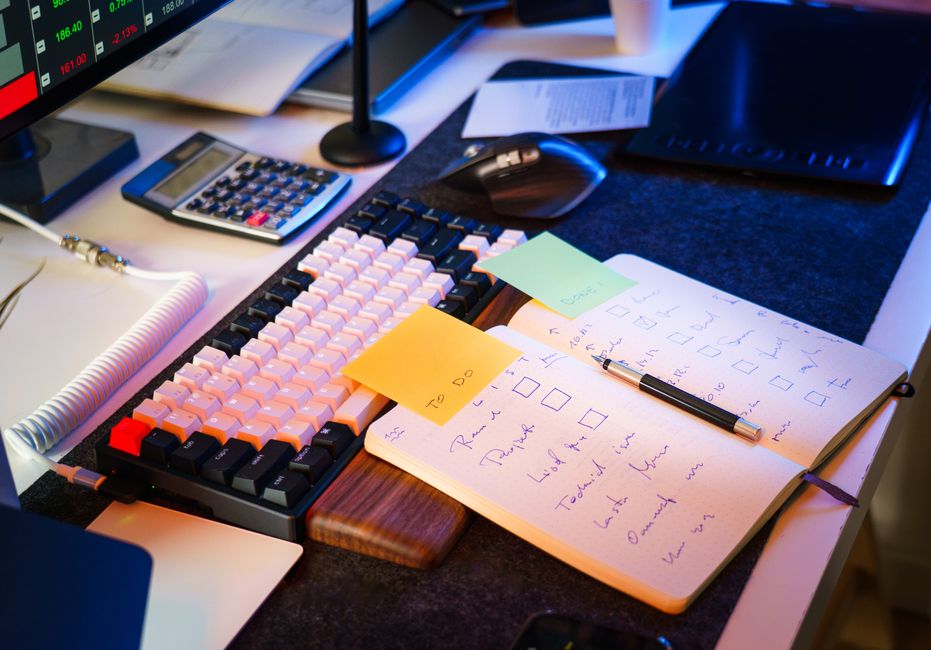
On a typical weekday morning, a remote worker sits at a cluttered desk, surrounded by an array of open browser tabs, each vying for attention. The screen displays a calendar filled with back-to-back meetings, while a task list remains minimized, waiting for focus. This familiar scene unfolds as the worker toggles between tasks, their focus slipping with each switch, leading to a growing sense of decision fatigue.
Before diving into the actual work, the calendar gets checked once more, confirming commitments but leaving the crucial document untouched. This missed step creates a disconnect between the work surface and the task surface. Instead of setting up a focused block, the worker finds themselves overwhelmed by the clutter of tasks and notifications. In this moment, the decision to prioritize immediate distractions over planned tasks reveals a common failure point in managing decision fatigue effectively.
The Expected Workflow Before Decision Fatigue Sets In
At the start of a focused work session, the remote worker glances at their cluttered desk, where a half-drunk coffee cup sits next to a stack of papers. The browser tab row is a mosaic of open applications, each demanding attention. Instead of diving into the chaos, they take a moment to clear the workspace, closing unnecessary tabs and setting aside distractions. This small act of decluttering creates a more inviting environment, allowing for better focus.
Next, they pull up their task list, ensuring it aligns with their calendar blocks for the day. As the calendar flashes reminders of upcoming meetings, they resist the urge to check emails, which often leads to task switching. Instead, they open the document they need to work on, placing it front and center on the screen. By prioritizing this action, they establish a clear path for the session ahead. The friction here lies in the tendency to prioritize immediate notifications over the planned focus, which ultimately derails productivity.
Where the Routine Breaks Down First
During a typical weekday, the remote worker sits at their cluttered desk, scanning the browser tab row filled with open applications. They instinctively check their calendar, noting the upcoming meetings and deadlines. However, as soon as they glance at the notifications, the email tab catches their eye, and they find themselves drawn into a flurry of unread messages. This moment marks the first visible sign of drift, where the initial focus on task completion slips away.
- Calendar checked, but email distractions arise.
- Report left untouched while responding to messages.
- Task switching leads to a delay in starting the focused work session.
The snag here is clear: the act of checking the calendar should serve as a launchpad for productivity, yet it often becomes a gateway to task switching.
Why This Failure Repeats on Busy Days
As the remote worker prepares for a focused session, their desk is cluttered with sticky notes and an array of open browser tabs. The screen displays a mix of project documents, emails, and social media notifications, creating a visual overload that clouds their priorities. In this chaotic environment, the act of checking the calendar becomes less about planning and more about getting lost in a sea of distractions. The calendar shows a looming deadline, yet the immediate draw of an unread email leads to a cascade of task switching.
The cognitive load from too many open tabs contributes to decision fatigue, making it harder to prioritize effectively.
To mitigate this, a practical check can be implemented: before opening any applications, the worker should take a moment to close unnecessary tabs and create a visible task list on their desk. This small adjustment can help align their work surface with their intended tasks, reducing the likelihood of distractions creeping in. Ultimately, the hidden cause of repeated failures on busy days lies in this cognitive overload and the misalignment of tasks, which can easily derail even the best-laid plans.
A Simple Correction to Address the Weak Point
A slightly different version of this problem appears in Managing Energy Not Time, where the sequence changes but the hidden drag feels familiar.
During a typical weekday, the clutter on your desktop can become overwhelming. With multiple browser tabs open, the temptation to check emails or social media often leads to a chaotic workflow. Before even opening the document you need for your focus block, you might find yourself scrolling through notifications instead. This distraction not only derails your immediate task but also amplifies decision fatigue, making it harder to regain focus.
To counter this, establish a 'focus block' routine. Start by silencing all notifications and closing unnecessary tabs, leaving only the document you intend to work on open. This simple action creates a more conducive environment for concentration. Next, place a visible task list on your desktop, outlining the specific goals for your work session. This list should be easily accessible, perhaps as a sticky note or a digital document pinned to your taskbar, so it remains in your line of sight.
By implementing this sequence—silencing distractions, narrowing your focus to one document, and keeping your task list visible—you can significantly reduce the friction that often leads to task switching. When you sit down to work, the clarity of having only one task in front of you, combined with a clear outline of what needs to be accomplished, can transform your productivity. Taking these steps will help you reclaim your focus and manage decision fatigue more effectively.
What Becomes Easier After the Correction
If this pattern keeps repeating, Focus Without Burnout extends the idea without leaving the niche.
With a clear workspace, the remote worker finds it easier to dive directly into tasks without the usual sidetracks from email notifications. By keeping only the working document open and silencing distractions, the clutter of the browser tab row becomes manageable.
This focused setup leads to quicker decision-making. When the worker sits down for the next time block, the visible task list acts as a roadmap. It’s pinned to the side of the screen, reminding them of the specific goals for that session. The clarity from having a single document in view eliminates the mental load of deciding what to do next, which often contributes to decision fatigue. Instead of hesitating over which task to tackle, the worker can simply check off items as they are completed, creating a satisfying rhythm.
Desk planning becomes a streamlined process. By setting aside a few minutes at the end of each day to organize the next day’s tasks, the worker can enter the next focused block with a clear agenda. This small adjustment transforms the workspace into a productive haven, allowing for sustained concentration and less mental fatigue. The difference is palpable: instead of feeling overwhelmed by options, the worker now experiences a sense of direction, making productivity feel more attainable.
When the calendar gets checked before opening the working document, it’s easy to lose sight of the immediate task at hand. The browser tab row, filled with distractions, can lead to task switching that drains focus. Instead of jumping into a focused block with a clear task, the remote worker finds themselves caught in a loop of indecision, which only adds to their fatigue.
To combat this, make it a habit to place the task list prominently on your desktop before diving into work. This simple act of visibility can serve as a reminder of what needs to be accomplished, reducing the chances of getting sidetracked. By prioritizing this small adjustment in desk planning, the worker can ensure that decision fatigue doesn’t slip in unnoticed, allowing for a more productive and focused work session.


