A Better Order for Decision Fatigue Management When Time Gets Tight
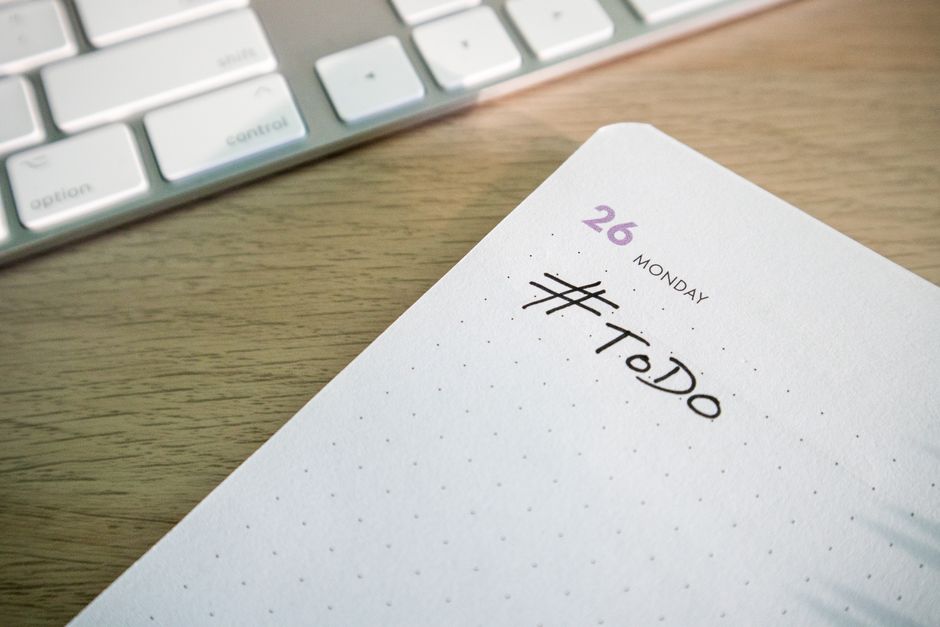
It’s mid-morning on a Wednesday, and the kitchen table is cluttered with a laptop, a half-drunk cup of coffee, and an open notebook filled with hastily scribbled tasks. The task list seems to stretch endlessly, each item competing for attention. A reminder popup flashes on the screen, demanding ten minutes of focus to address a small admin task. This interruption pulls attention away from the real work, creating a ripple effect that complicates the day’s workflow. As the clock ticks, the pressure mounts to juggle these minor tasks while still making progress on larger projects.
Amidst this chaos, the challenge of managing decisions becomes apparent. Each time a small task is squeezed into the schedule, it chips away at the mental energy needed for more significant decisions. The browser tab row is filled with open documents and emails, but the focus is split, making it difficult to prioritize effectively. Missing the opportunity to rewrite the top three tasks in the notebook can lead to a cascade of indecision later in the day. As the afternoon dip approaches, the cumulative effect of these distractions can turn what should be a productive work session into a struggle against decision fatigue.
The Overlooked Setup of a Busy Workday
At the kitchen table, surrounded by the hum of family activity, the laptop screen displays a cluttered browser tab row filled with emails, project documents, and a few stray articles. However, as soon as the first task is opened, a reminder popup appears, demanding attention for a small admin duty—updating a calendar event.
As the clock ticks, the pressure mounts to juggle these minor tasks while still making progress on larger projects. With each small admin task that gets squeezed into the schedule, it chips away at the mental energy needed for more significant decisions. The original task list, intended to guide the workflow, quickly becomes overshadowed by these interruptions. Missing the opportunity to rewrite the top three tasks in the notebook leads to a cascade of indecision later in the day. As the afternoon dip approaches, attention is split between tools and tabs, making it increasingly difficult to prioritize effectively. The result is a work session that feels less productive and more like a struggle against decision fatigue, where every small task feels like an obstacle rather than a step toward completion.
Steps That Get Lost in the Shuffle
As the clock approaches noon, the kitchen table is cluttered with half-open notebooks and a browser tab row filled with reminders. Each notification pulls focus, but the real challenge lies in the tasks that slip through the cracks. Ignoring the need to prioritize tasks before diving into work often leads to a chaotic start. Without a clear top three tasks written down, attention gets diverted to smaller admin duties that feel urgent but are not truly important.
- Neglecting to set specific time blocks for each task allows distractions to creep in. A quick glance at the calendar reveals no dedicated focus blocks.
- Overlooking the need to check off completed tasks can lead to a sense of stagnation, as the mental load increases with every unmarked item.
- Failing to acknowledge the cumulative effect of these small interruptions can drain energy, making larger decisions feel daunting later in the day.
During this ordinary weekday moment, the absence of a visible task list makes it easy to forget the original priorities. As the afternoon dip approaches, the pressure mounts to juggle these minor tasks, creating a cycle of indecision. The simple act of rewriting the top three tasks in the notebook could redirect focus and reclaim lost time, but instead, the day slips into a blur of unproductive task switching.
The Notification Bottleneck
As you settle into the kitchen table workspace, the glow of your laptop screen illuminates a cluttered browser tab row filled with notifications. Each red dot signals a distraction, pulling your attention away from the main task at hand. A reminder popup flashes across the screen, and before you know it, ten minutes slip away as you chase down what feels urgent but isn’t truly important. This seemingly innocuous interruption not only disrupts your current focus block but also clogs up your workflow, leading to a cascade of task switching.
With every click to check a notification, your mental load increases, and the original task list begins to fade. The list of small admin tasks—like responding to emails or scheduling meetings—crowds out the real work that needs to be done. You glance at the calendar and realize there are no dedicated focus blocks left for the afternoon. The pressure mounts as the clock ticks closer to that dreaded post-lunch dip, and the initial momentum you had is lost in a sea of distractions.
To regain control, consider a quick desk planning session. Take a moment to rewrite your top three tasks on a fresh sheet. This simple act of prioritization can redirect your focus and help you resist the urge to dive into the notifications. By keeping a visible task list next to your laptop, you create a tangible reminder of what truly matters. However, if you continue to let those notifications dictate your workflow, you risk delaying not just today’s productivity but also your ability to make larger decisions later in the day.
Reorganizing Tasks for Clarity
If this pattern keeps repeating, Managing Energy Not Time extends the idea without leaving the niche.
Staring at a sprawling task list on your laptop screen, the chaos is palpable. As you glance at the clock, the afternoon slump looms closer, and the pressure to make decisions intensifies. You open another browser tab to check notifications, but every ping pulls you further from the real work. This scattered approach leads to a frustrating cycle of task switching, where small admin tasks dominate your attention, leaving no room for focused work.
Now, imagine taking a moment to rewrite your top three tasks on a fresh notepad. You place this list prominently next to your laptop, ensuring it’s the first thing you see. Each task is clearly defined and time-blocked, giving you a concrete plan to follow. Instead of feeling overwhelmed by the entire list, you can focus on what truly matters. The act of prioritizing not only clarifies your workflow but also reduces decision fatigue. As you dive into the first task, the distractions fade, and you find a rhythm that was previously absent. By eliminating the clutter and focusing on just three key tasks, you reclaim your afternoon and restore your productivity, making it easier to tackle larger decisions later in the day.
What Runs More Smoothly After That
This same friction shows up again in Focus Without Burnout, especially when the day tightens unexpectedly.
Once you streamline your focus by rewriting your top three tasks, the chaos of your browser tab row begins to clear. Instead of juggling a dozen open tabs filled with admin tasks, you can concentrate on a single task that matters most. The clutter of notifications and reminders fades into the background as you dive into your focused work session.
During this session, you notice a tangible shift in your energy levels. With fewer distractions, you can maintain a steady rhythm. For instance, if you place your task list right next to your laptop, it becomes a constant visual cue, guiding your attention back to what’s important. This simple act of prioritization allows you to complete tasks more efficiently, reducing the time spent on trivial decisions. You might even find that the ten minutes lost to a reminder popup earlier in the day are now regained, as you no longer need to sift through a sea of tasks.
As you check off each completed task, the sense of accomplishment builds, reinforcing your focus and motivation. The afternoon dip in energy feels less daunting when you know exactly what to tackle next. By keeping your task list visible and manageable, you create a smoother workflow that allows for deeper focus, ultimately making larger decisions later in the day feel less overwhelming.
As the afternoon rolls in, the clutter of small admin tasks can quickly overshadow what truly needs your attention. If you find yourself toggling between browser tabs and reminders, consider simplifying your task list. Instead of letting minor tasks hijack your focus, rewrite your top three priorities on a sticky note and place it directly on your laptop. This visual cue not only helps clear the mental fog but also serves as a constant reminder of what you should be tackling next.
When you intentionally limit your focus to these key tasks, you reduce the chances of getting sidetracked by less important decisions. The next time a reminder popup steals ten minutes from your workflow, take a moment to assess your task list. Are you still prioritizing effectively? Keeping your focus sharp can make the difference between a productive afternoon and a day lost in decision fatigue.